Audience Study
Indigenous and Afro-descendant youth in Abya Yala
Communication, territory, and climate justice. Research carried out with the communities, not about them.
What we did
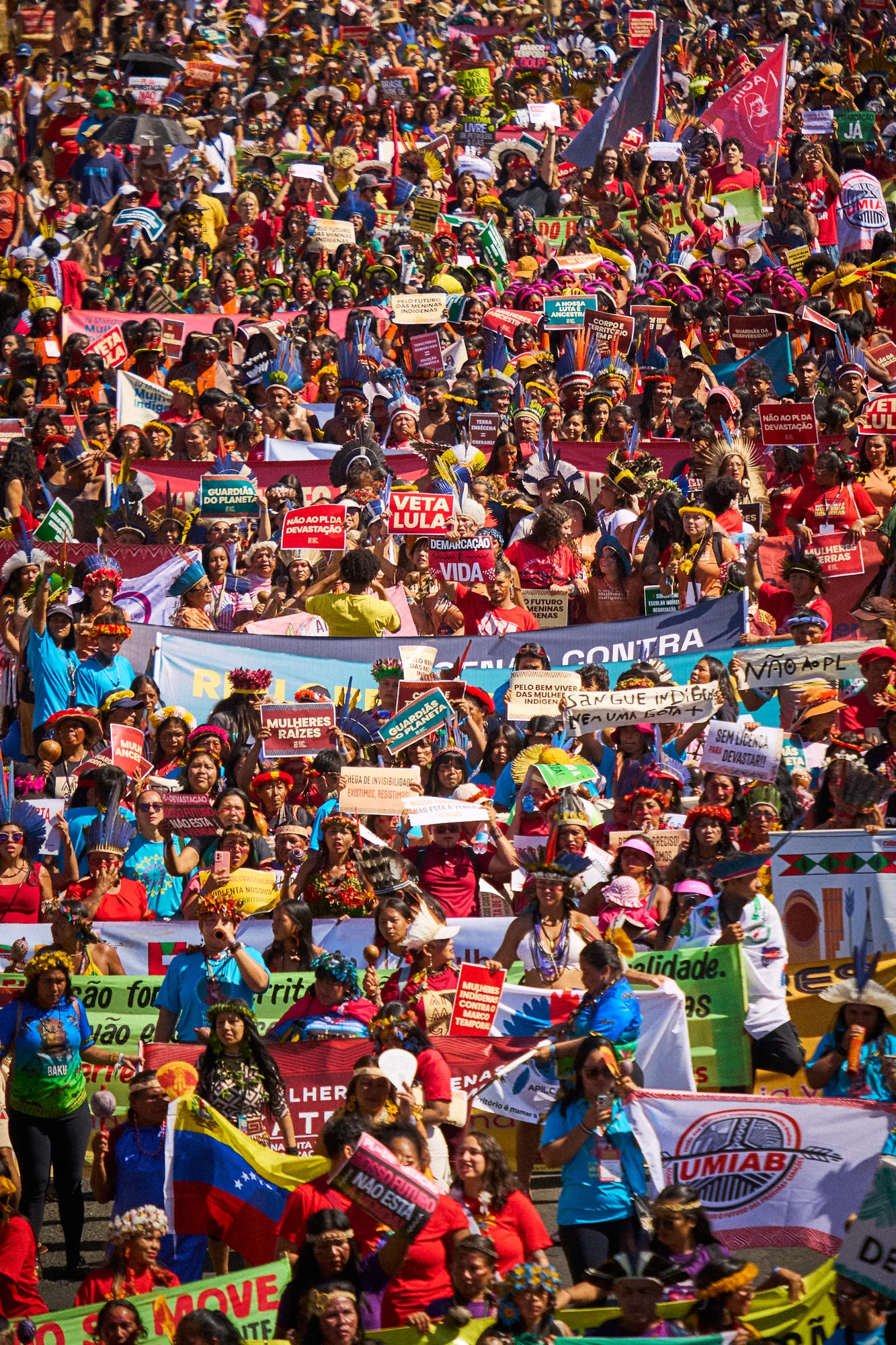
In 2025 we asked Indigenous and Afro-descendant youth in four countries what they watch, where they watch it, and which stories they feel are their own.
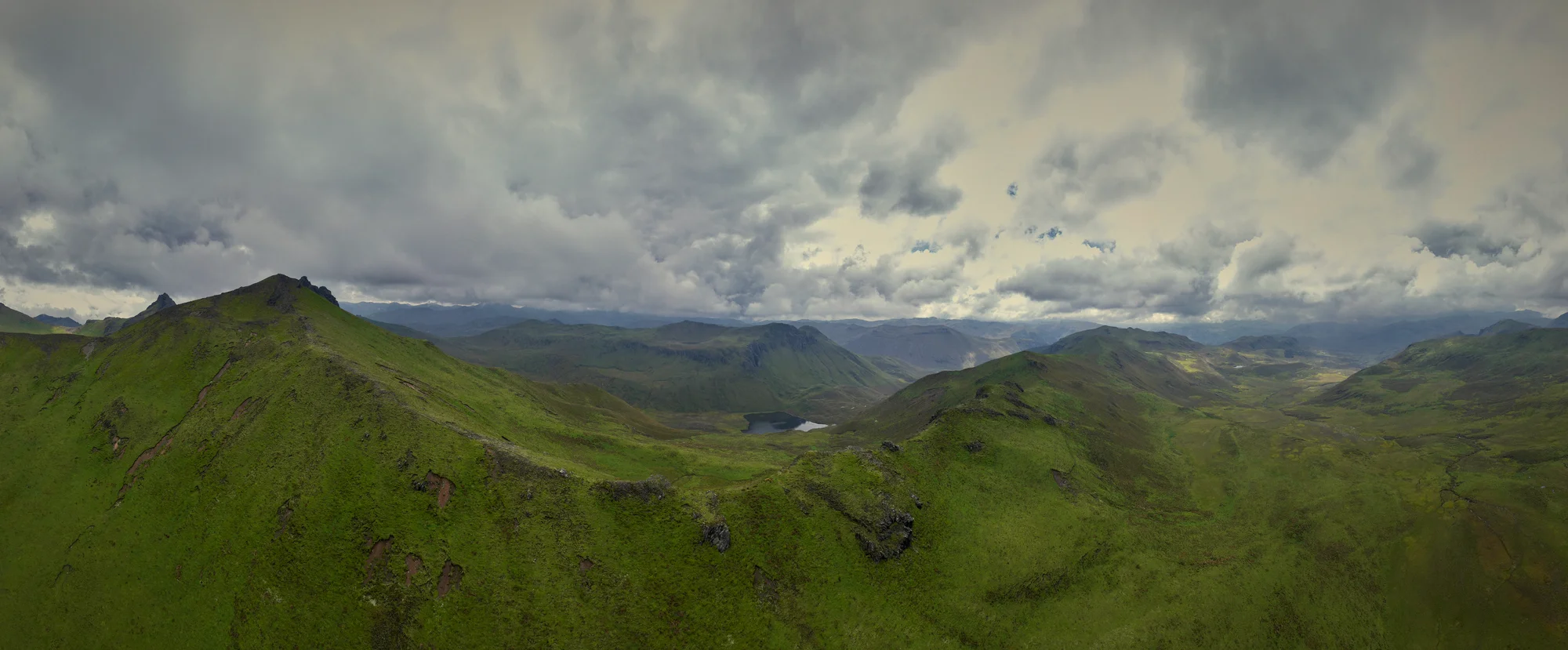
We worked in Colombia, Panama, Ecuador, and Guatemala, with voices from Mexico that joined through the interviews. We did not go to extract data; we went to build together.
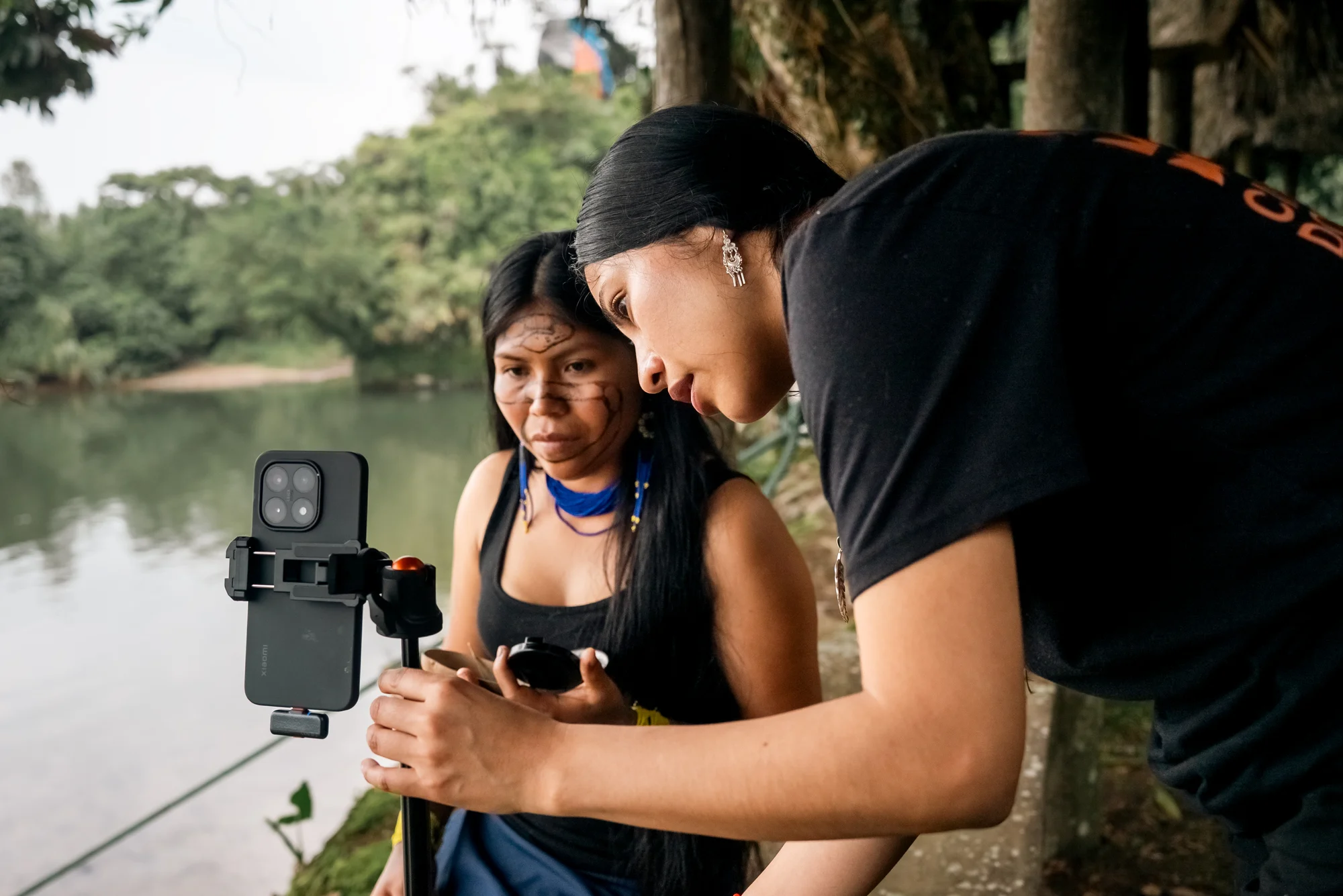
The BILM – MULLU Climate Story Lab is research carried out with the communities and not about them. We wanted to understand how Indigenous and Afro-descendant youth watch, share, and recognize themselves in audiovisual content, amid the climate crisis, long-standing inequalities, and the daily defense of the territory.
Why it matters
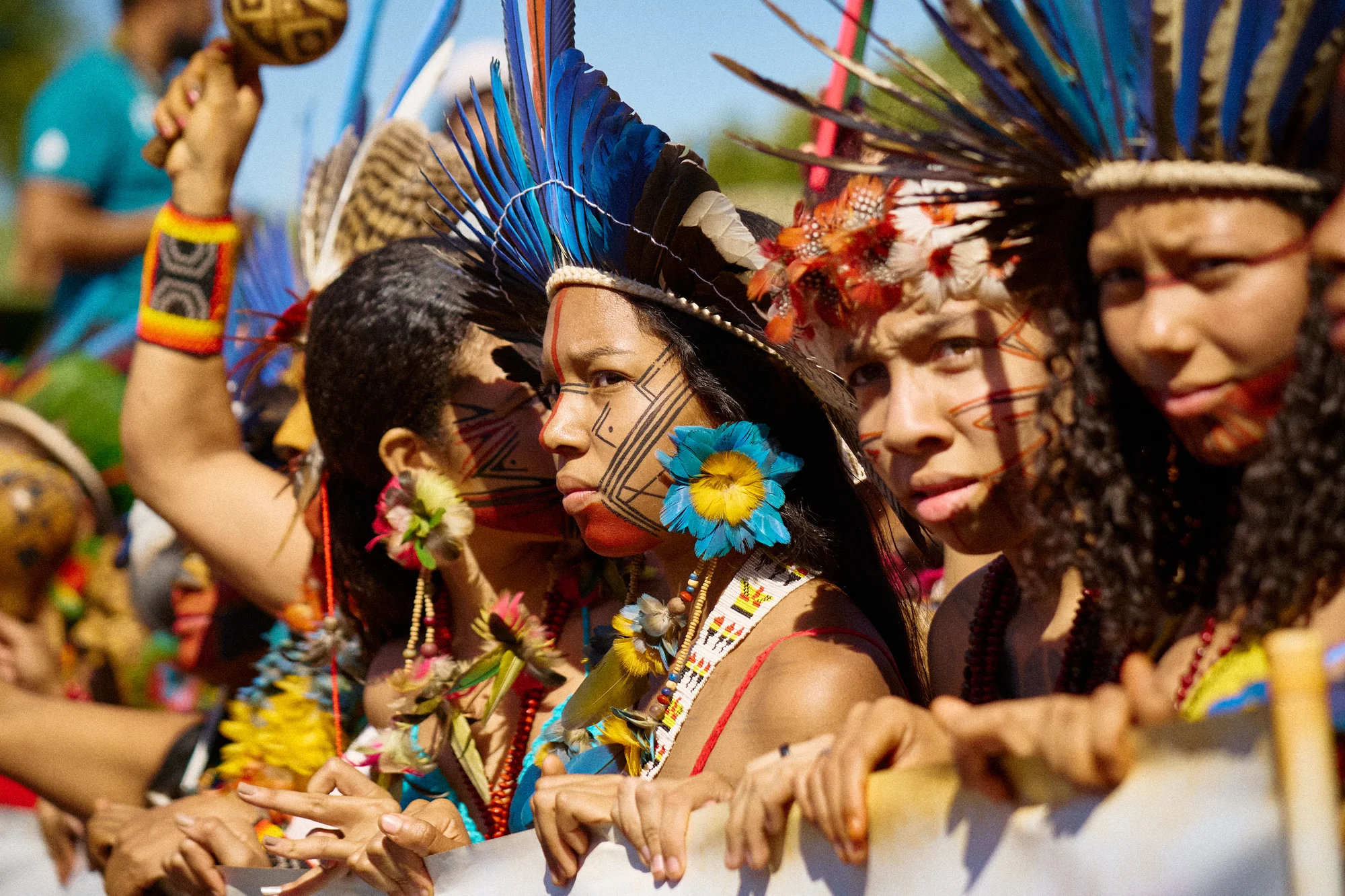
Young people understand climate change through their daily lives, through the water that is missing, the forest being defended, food, culture, and land.
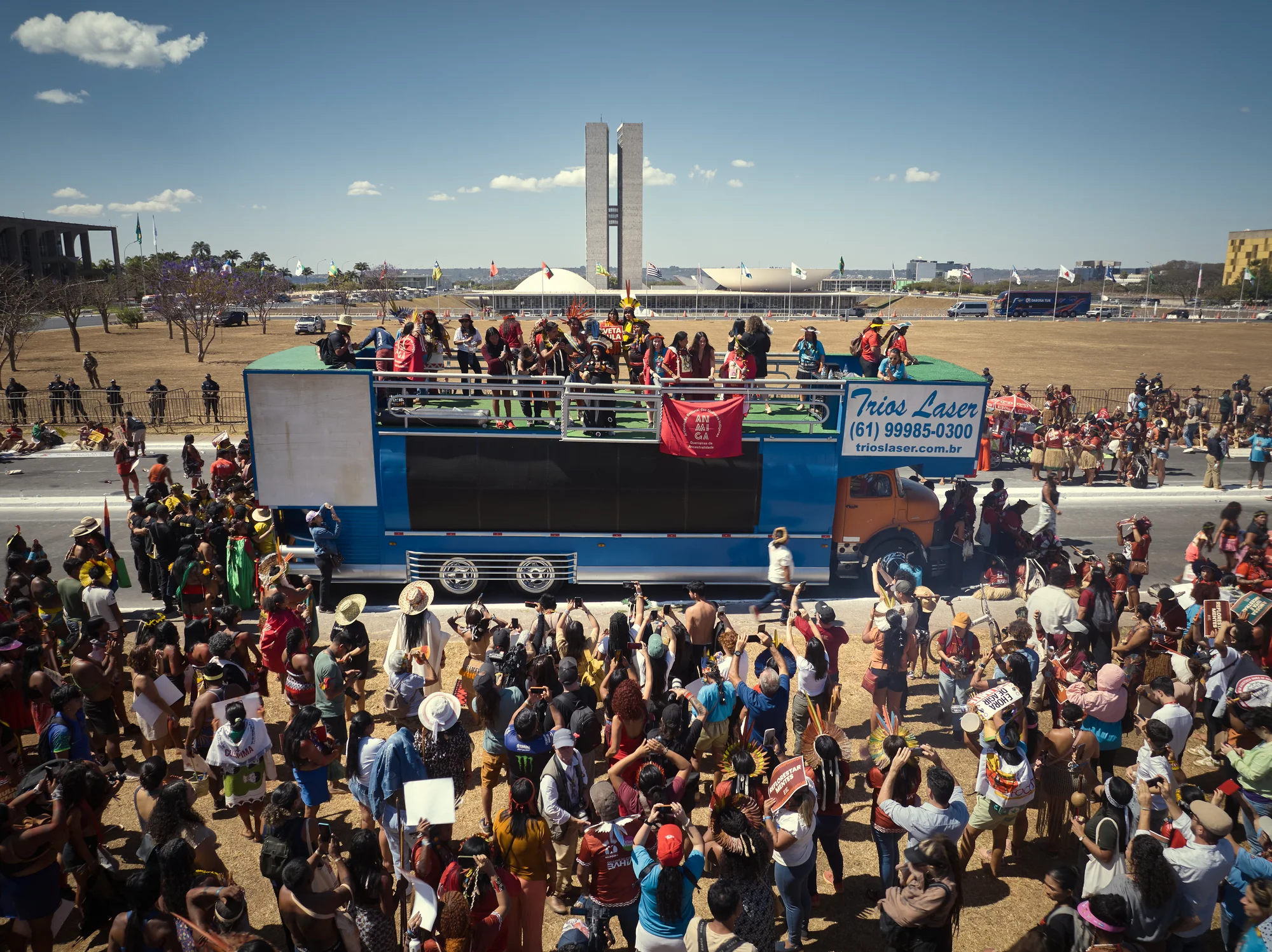
Stories that touch those experiences strengthen community organizing and the passing of knowledge from one generation to the next. This study provides evidence for doing climate communication from the territories and with their own youth.
How we did it
We documented not only what we found, but how we did it. How we put together the teams in each territory, how we designed the gatherings, which tools we used, and how we return the results to the communities. We share all of that methodology openly, so that other organizations can repeat it and adapt it to their own land.
- •Research is designed together with local organizations, not upon them.
- •Each territory needs a small team with clear roles, to protect quality and the cultural rhythm.
- •A single-day gathering, designed for the real life of the territory, makes it possible to bring together survey, conversation, and screening.
- •The paper survey is not an emergency plan, it is a decision, so the method works where the signal does not reach.
- •Content voting turns the audience into a programmer and sustains interest.
- •Returning the results to the communities is what makes the process legitimate.
The complete methodological learnings are part of the full report, available in the Downloads section.
What we found
We let the study’s data speak, but told in a way that can be understood and felt. Not as loose figures, but as what the communities showed us about the way they watch, share, and recognize themselves in what they see.
Access and connectivity (48%)
Nearly half (48%) live with an internet connection that comes and goes. That reality alone determines which platforms they use and what content they manage to see.
Most-used platforms
WhatsApp (80.3%), Facebook (68.5%), and TikTok (65.4%), followed by Instagram and YouTube. Netflix is only 15% daily. Audiences are where access is free, light, and close at hand.
Content preferences (95%)
95% want to see content about their culture and people, yet only 36.6% feel represented. Clear demand for animation, music videos, and vertical videos in their own language.
Community spaces (74.3%)
74.3% consider that watching film as a community improves the experience. Film forums, itinerant showcases, and screenings take on collective meaning.
Mobile use & climate (91%)
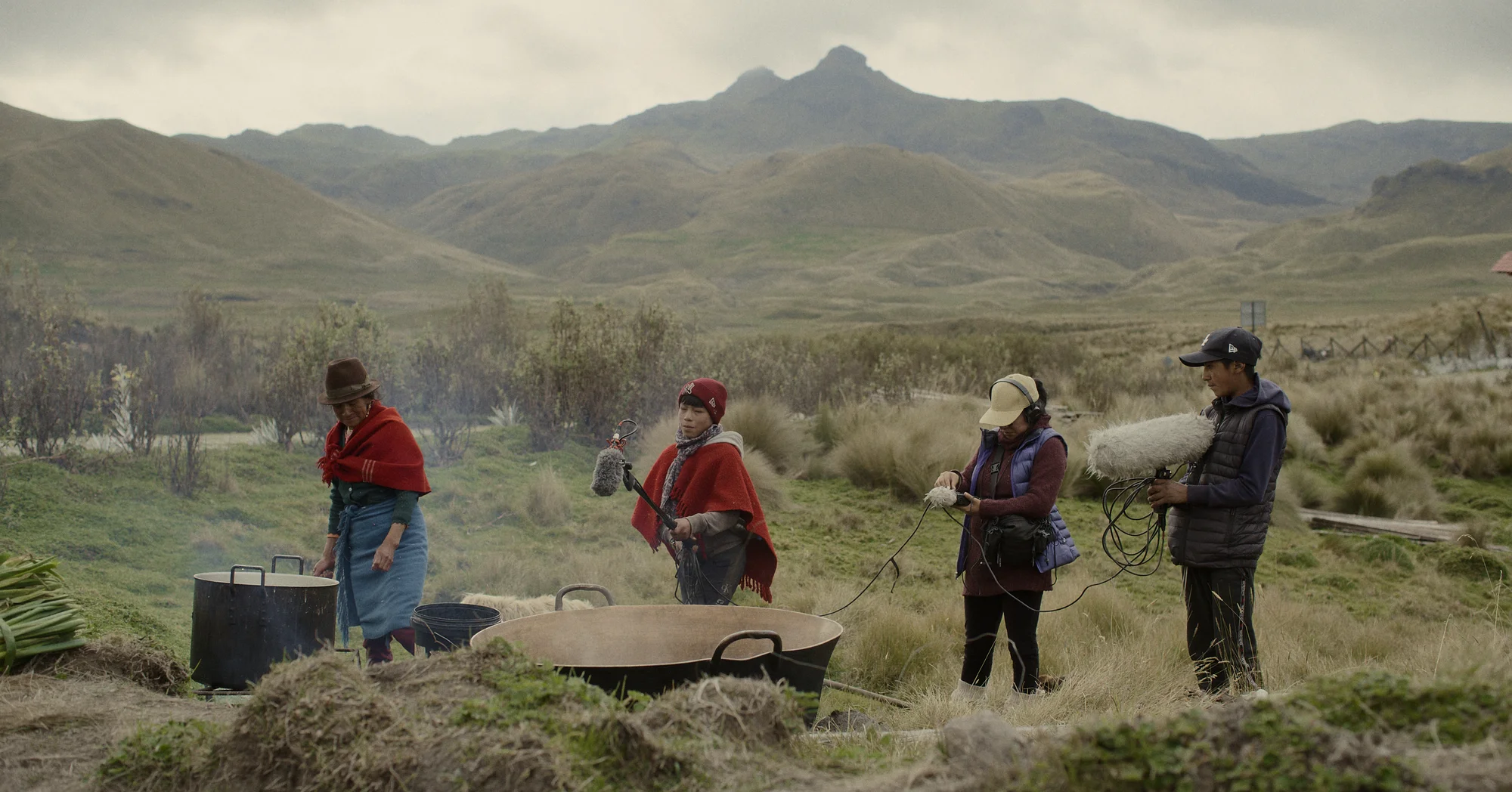
Close to 91% use their phone as their main device. 84.1% notice climate changes, and 77.2% actively participate in nature actions (marches, mingas, workshops).
What it is for
Everything learned in this study serves as a reference for the work of Mullu and the allied organizations. It is a base from which to keep thinking about communication and audiovisual creation from the territories. The research stops being a report to be filed away and becomes a point of departure.
Download the complete study
The complete study is downloaded here. It is a single document that brings everything together: the results, the voices from the territory, the methodological learnings, and, as an annex, the fact sheet and the method to replicate it. To download it you complete a short registration form, once: this way the study keeps circulating while we get to know who is interested and can stay in touch.
What the document includes:
- The full report with the results and the voices from the territory.
- The methodological learnings and the technical annex with the fact sheet and the method to replicate the study, all within the same document.
Available in Spanish and English. On completing the registration, you receive the download link for the complete study. Requests reach info@mullu.tv.
Working as a network
A study carried out by Mullu within the BILM – MULLU Climate Story Lab, with the support of Doc Society’s Climate Story Labs and the participation of five allied organizations that made the work possible across the territories:
- TV Indígena, Guna Dule People, Panama.
- Kichwa Sarayaku People, Ecuador.
- Quibdó África Film Festival, Quibdó, Colombia.
- Festivales Solidarios, Guatemala.
- Mujeres del Desierto, La Guajira, Colombia.
If your organization would like to join this network or talk about the study, write to us at info@mullu.tv. We want to expand this joint work to sustain, together, a narrative infrastructure that belongs to the territories.